
Developing a Real Digital Guide: Smart Docent (Part 1)
Story
Sharing Our Smart Docent Development Journey
In June 2025, the National Museum of Korean Democracy reopened to commemorate the June 10th Democratic Uprising. Built on the site of the former Namyeong-dong Anti-Communist Interrogation Office, once a notorious symbol of state violence, the museum tells the story of Korea's dark history under authoritarian rule and the democracy movement that overcame it.
To celebrate the museum's opening and provide visitors with a richer experience, IPIN LABS developed the 'Smart Docent,' a location-based digital guide service.
After overcoming numerous challenges, we successfully launched the location-based Smart Docent pilot in early November. Here's the story of how we built it.
A Digital Guide That Actually Works
Digital guides are now a staple in museums and cultural spaces. But here's the question: are they actually convenient?
The Small Friction That Breaks the Flow
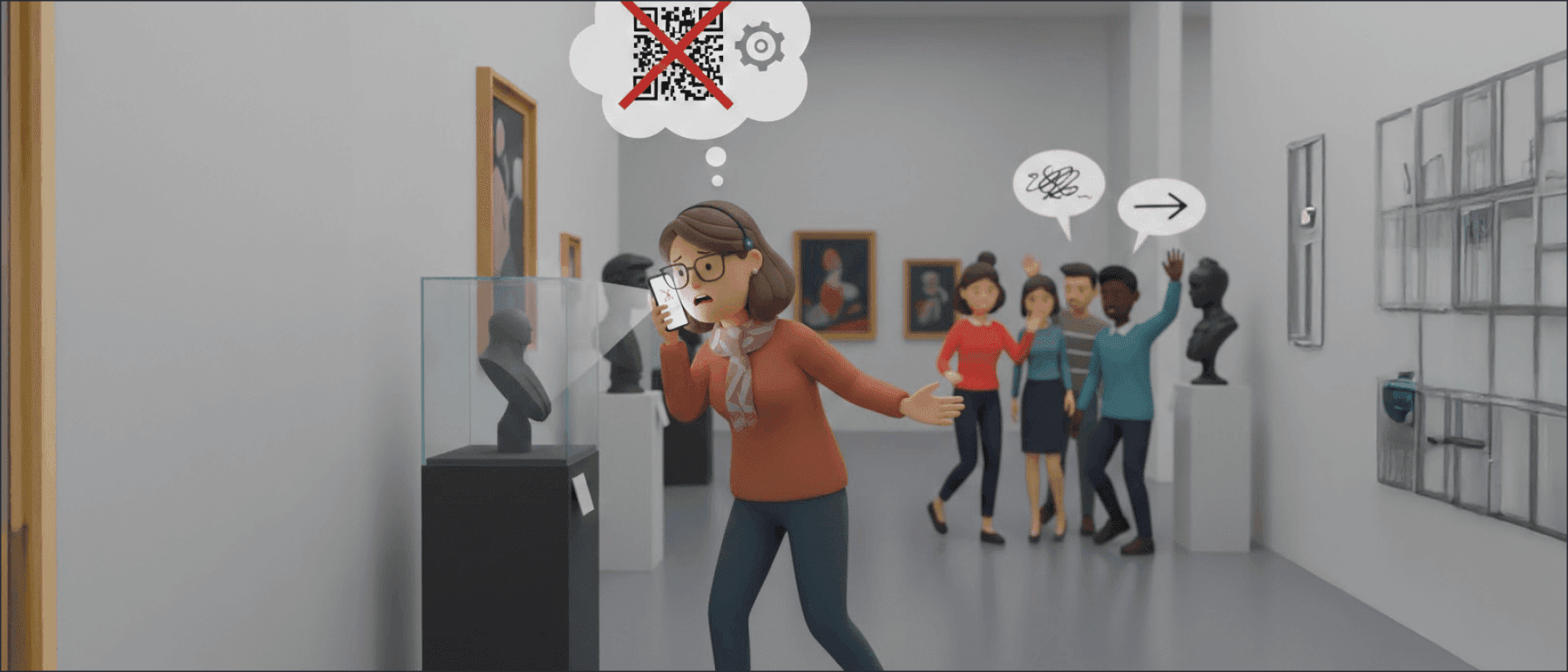
"Wait, what number was this exhibit?"
Picture this. You're at a museum, fumbling with an audio guide while squinting at tiny number plates. You finally find and enter the right number, but your group has already moved to the next exhibit. You rush to catch up without hearing the full explanation. Later, you try scanning a QR code, but the lighting's too dim. The code won't scan. Eventually, you just give up and keep walking.
Sound familiar?
Most of us have experienced this when using digital guides in cultural spaces. These systems promise convenience, but steps like entering numbers or scanning QR codes constantly interrupt your viewing flow. For visitors less comfortable with technology, these become real barriers to enjoying the exhibition.
What If Guidance Started Automatically?
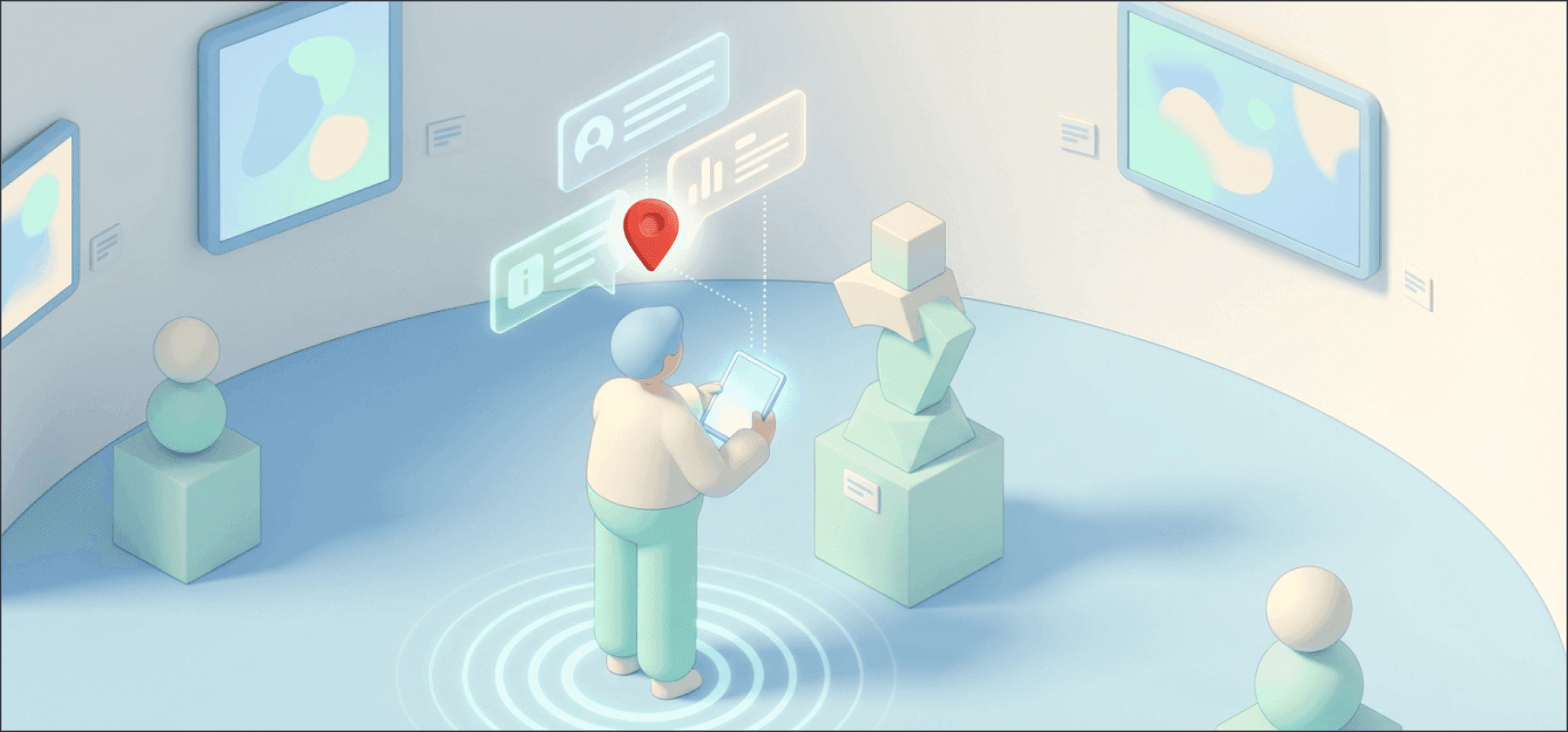
IPIN LABS' solution is simple. Explanations begin automatically when you approach an exhibit.
Using indoor positioning technology, the system tracks your location in real time. When you enter a specific exhibition zone, the digital guide automatically provides relevant content. No more QR scanning or number hunting required.
You simply walk naturally through the space while the technology quietly creates an optimal experience in the background. Visitors can engage deeply with the exhibition at their own pace and along their preferred route.
<Suggested Reading>
Technology That Understands Space
The first development step was dividing the exhibition space into zones.
IPIN LABS' Smart Docent works by splitting exhibition spaces into zones and matching content to each area. When visitors carrying tablets enter specific zones, the system automatically recognizes their location and displays appropriate explanations on screen. This meant we first needed to deeply understand how the exhibition was organized.
Finding the Balance Between Architecture and Storytelling
Exhibitions aren't just collections of objects. They have intentional flow and narrative context. Digital docents must be designed so visitors naturally follow the story as they move through the space, maintaining a deep viewing experience. We worked continuously with the exhibition planning team to understand their curatorial intentions.
Then came the technical challenge. The spatial divisions that allowed our positioning AI to make the most accurate determinations didn't always align with the natural narrative divisions of the exhibition.
We needed zone settings that enabled accurate position recognition without disrupting the continuity of the viewing experience. Finding that balance point required careful work.
Eliminating Delays
This process brought additional technical decision points. Initially, we planned to use the museum's existing Wi-Fi signals to avoid installing new infrastructure. But Android's measurement interval limitations became an obstacle.
Wi-Fi positioning created noticeable delays between zone entry and AI response, making it difficult to track visitor movement in real time. We needed faster response times for a seamless viewing experience. Ultimately, we chose to install additional BLE beacons.
Blending Naturally into the Space
The museum setting created a new challenge. We needed to install beacons without disrupting the exhibition space's aesthetics. To preserve the viewing experience, we had to find positions invisible to visitors yet clear for Bluetooth signals.
We walked through the facility with the management team, testing various locations like ceilings, walls, and behind exhibits. We checked for potential signal interference and considered visitor flow patterns to identify optimal placement points. After countless site visits and adjustments, we successfully completed the infrastructure installation.
What's Next
Through all these trials and adjustments, IPIN LABS successfully launched a Smart Docent solution that operates automatically, without requiring visitors to scan QR codes or search for exhibit numbers.
In the next post, we'll cover the positioning tests we conducted in the field. From unexpected zone boundary issues to accessibility design considerations for inclusive experiences, we'll return with more stories from the development trenches.


Try Lite!