
MWC 2026: Connecting to Solve Real-World Problems
Story
Heading to 4YFN at MWC Barcelona 2026
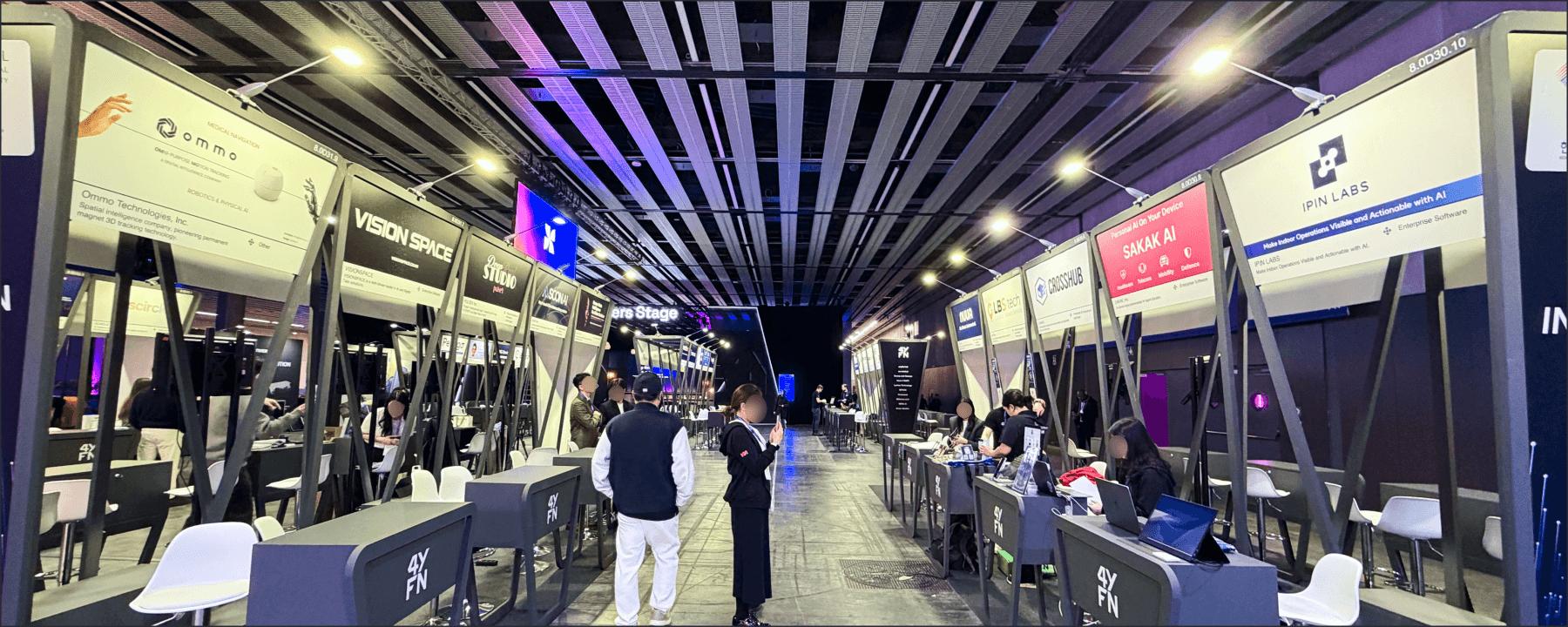
Following last year’s participation, IPIN LABS once again joined 4YFN (4 Years From Now) during MWC Barcelona 2026. This year’s participation was made possible through the support program of the Korea International Trade Association (KITA).
MWC Barcelona is one of the world’s largest mobile and telecommunications technology exhibitions. Every year, global telecom operators, major tech companies, startups, and investors gather in one place to showcase new technologies and services.
Alongside MWC, 4YFN serves as a startup-focused exhibition platform. It connects innovative startups with global corporations, investors, and potential technology partners, creating opportunities for collaboration and growth.
During the exhibition, our booth welcomed visitors from a wide range of backgrounds. We had the chance to speak with corporate representatives, startup founders, investors, and professionals searching for new technologies.
One particularly memorable aspect was the diversity of international visitors. We spoke Japanese with visitors from Japan and exchanged ideas with professionals from Europe and the United States about how indoor positioning technology could be applied in different industries.
Lively Booth on the Exhibition Floor
Although our booth was not large, it was a compact space filled with continuous conversations.
Visitors came from many different backgrounds. Some already had a deep understanding of indoor positioning technologies. Others simply stopped by out of curiosity. Naturally, this led to many questions.
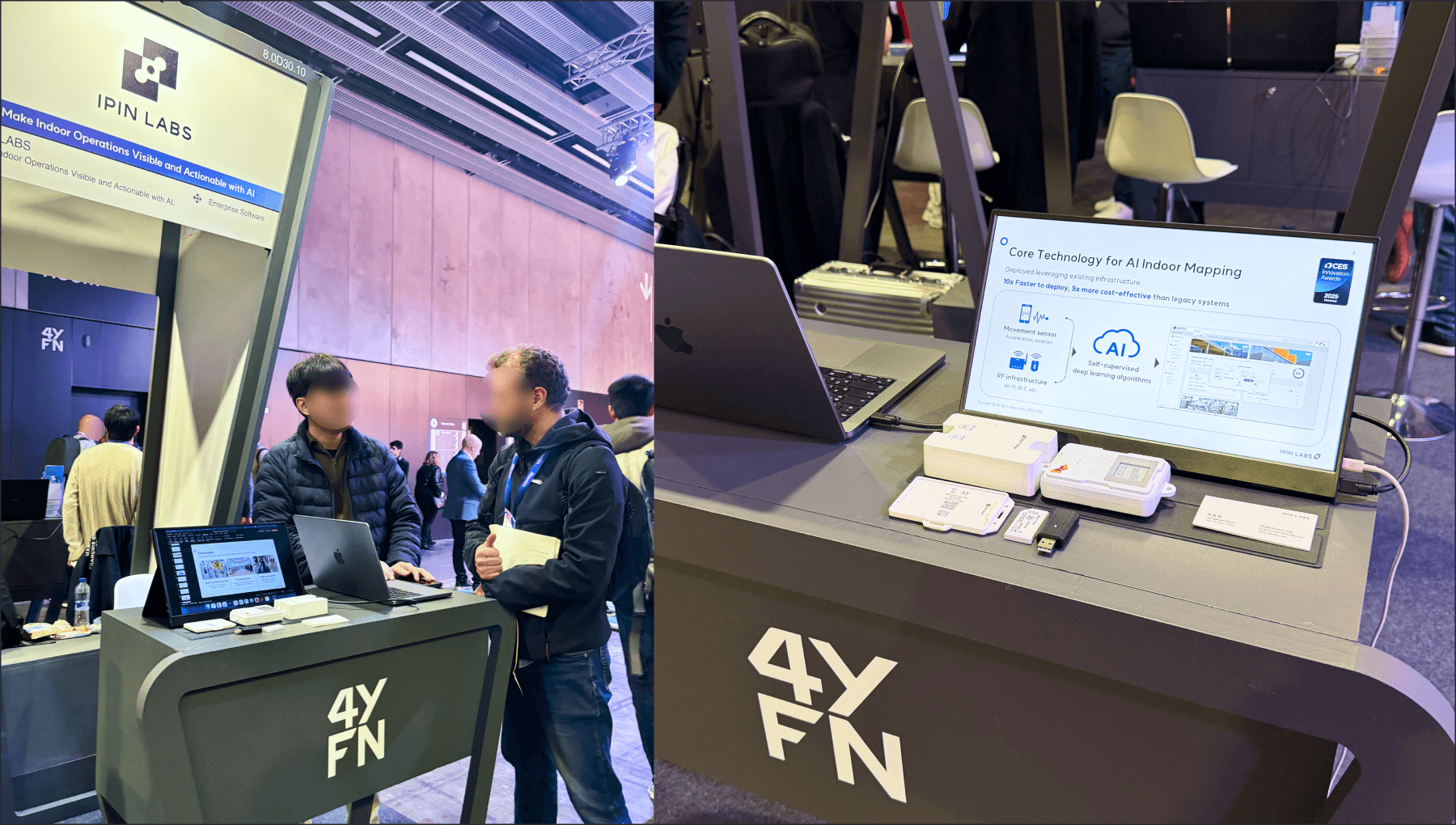
Many visitors asked whether indoor positioning could truly work using Wi-Fi alone, how AI contributes to the positioning process, and which industries are already using this technology in real-world environments.
In response, we explained how Wi-Fi signals and smartphone IMU data are combined to generate positioning models. We also shared examples from real deployments across industries such as hospitals, airports, and factories.
What visitors found most interesting was not just the technology itself, but how it could be used in real operations.
Many discussions focused on topics such as building digital twins using existing infrastructure at low cost, and using smartwatch biosensors to support worker safety solutions.
Throughout the exhibition, visitors from France, Spain, Japan, and the United States stopped by our booth. Some were people we had met at previous events, which made it especially nice to reconnect. With visitors from Japan, we even switched to Japanese during conversations.
Insights from 4YFN

One of the most striking observations from the exhibition was that many visitors were less interested in the technical details and more interested in practical applications.
Rather than asking about algorithms or technical mechanisms, visitors focused on how the technology could solve real problems in their environments.
Questions often sounded like this:
How can factory equipment be managed more efficiently?
How can hospitals quickly locate critical medical devices?
Can this technology improve asset management in logistics centers?
These conversations made one thing clear. What mattered most to visitors was not the technology itself, but how it could solve operational challenges in real environments.
Walking through the 4YFN exhibition hall also highlighted how startups around the world are moving beyond ideas and focusing on creating tangible value by solving real problems.
It was a reminder of something simple but important.
Technology ultimately exists to solve real human problems.
Wrapping Up MWC Barcelona 2026
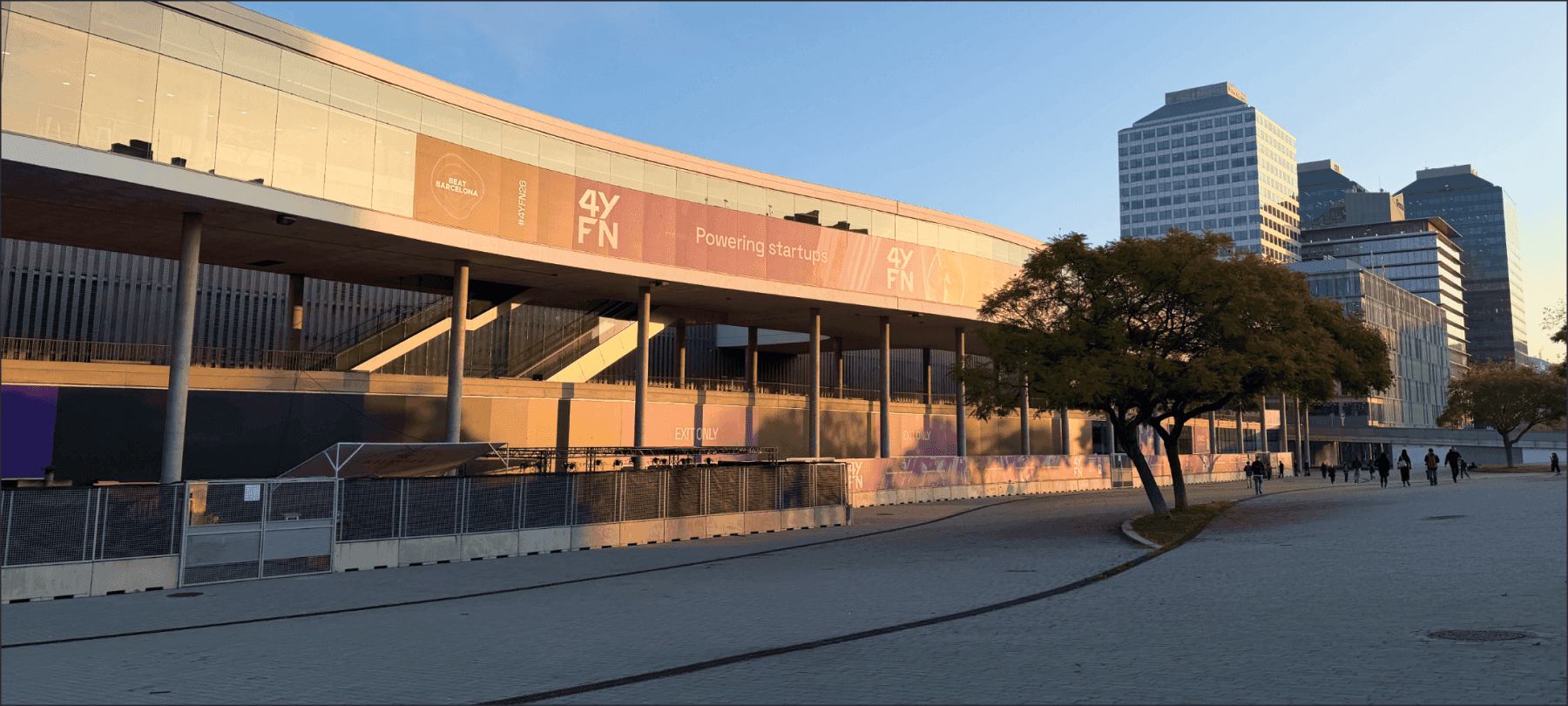
MWC Barcelona 2026 was a valuable opportunity to connect directly with companies and technology professionals from around the world.
Through conversations with visitors, we gained a better understanding of how indoor positioning technology might be applied in different industries and operational environments.
One moment stood out in particular.
After listening to our solution overview, one visitor simply said,
“It feels like magic.”
Hearing that made us realize that the technology we introduced could represent a new possibility for some organizations and industries.
We look forward to continuing these conversations at future global exhibitions and discovering new collaboration opportunities along the way.
<Suggested Reading>


Try Lite!